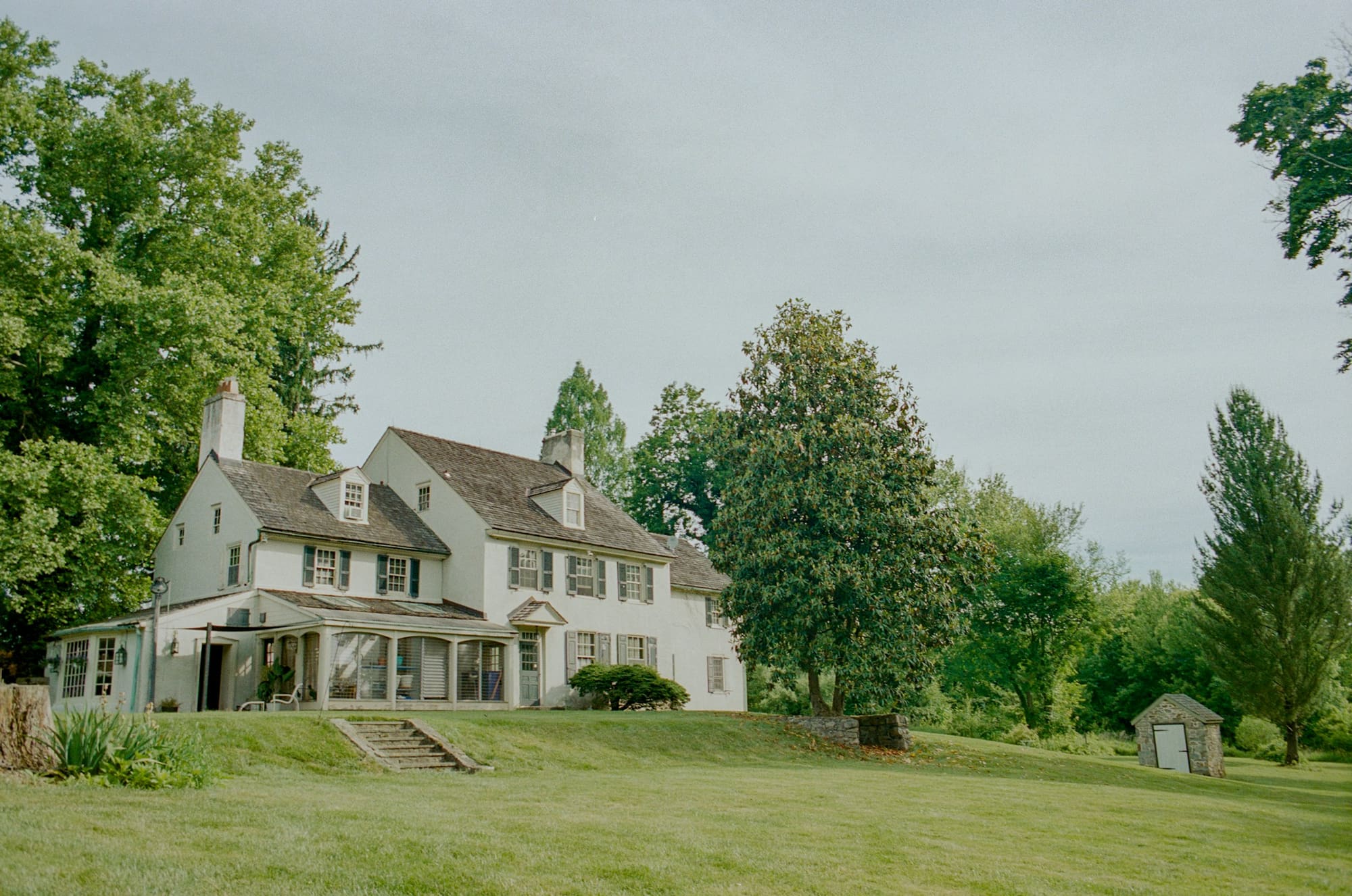
The Montgomery County real estate market in 2026 remains active — but selectively so. The homes that are performing at or above list price share a common set of characteristics. The homes sitting with repeated price reductions share a different, equally consistent set of mistakes.
This is a practical guide for sellers in Montgomery County. It covers what is actually driving outcomes in this market right now, and what you need to do before the first showing.
The State of the Market: What the Data Shows
Inventory remains historically low across most of Karen’s active Montgomery County markets. That supply constraint benefits sellers — but it does not eliminate the need for preparation or accurate pricing. Buyers in 2026 are better-informed than at any point in the last decade, and they have access to the same data you do.
The homes that go under agreement in the first week have three things in common: accurate pricing, excellent presentation, and a coordinated launch. The homes that linger have typically failed on at least one of these dimensions, often all three.
Absorption rates vary significantly by community. Blue Bell and Horsham continue to turn over at higher rates than the county average, driven by school-district demand and highway access. For Blue Bell sellers specifically, the pricing and preparation factors that determine whether a home moves in the first week are covered in detail in what makes a home sell quickly in Blue Bell. The Abington and Cheltenham corridors in eastern Montgomery County have seen increasing buyer activity from buyers priced out of the Main Line. Lansdale and North Wales at the northern end of the Route 309 corridor are attracting significant first-time and move-up buyer interest, in part because they represent the most accessible price entry into North Penn and Central Bucks school districts.
Pricing: The Single Most Important Decision
The price you set on day one determines whether your home sells in the first week or the eighth.
Sellers frequently ask whether they should “test the market” at a higher price and reduce if necessary. The data argues against this approach consistently. A home that sits for three weeks with no offers and then reduces price signals to buyers that something is wrong — with the home, the seller’s motivation, or both. That perception is difficult to reverse even when the reduced price is accurate.
The correct approach is to enter the market at a price that reflects current comparable sales, the specific condition and features of your home, and the current absorption rate in your immediate neighborhood. That analysis is what Karen prepares in the complimentary comparative market analysis (CMA) she provides before every listing engagement. It is built from closed sales in the last 90 days, active competition, and a careful read of buyer demand in your specific community — not from a number chosen to make you feel good about listing, and not from an algorithm that does not know your kitchen was renovated last year.
Price tier dynamics in Montgomery County:
- Below $500,000: The most competitive tier in the county. Well-prepared homes in Wissahickon, Upper Dublin, and Hatboro-Horsham school districts at this price point frequently receive multiple offers within the first weekend. Correct pricing is essential; overpricing by even 3-5% materially reduces offer volume.
- $500,000 to $750,000: Competitive, particularly in spring. Multiple offers occur but are less automatic. Preparation quality and marketing execution matter more at this tier than at the entry level.
- $750,000 to $1 million: A narrower buyer pool that is more patient and more sophisticated. These buyers will conduct extensive research before making an offer, and they will identify a home that is overpriced relative to its condition. Pricing must reflect current comparables accurately.
- Above $1 million: The buyer pool is smallest and the decision cycle is longest. Marketing reach and presentation quality are at a premium. Homes in this tier benefit significantly from professional staging and, where appropriate, pre-listing improvements.
Preparation: Where Sellers Lose Money
Most sellers underinvest in preparation relative to the return it generates. The following improvements consistently produce measurable value in Montgomery County markets.
What pays:
- Fresh interior paint in a neutral palette. The return on a $3,000–$5,000 paint job in a mid-size colonial is reliably positive. Buyers discount heavily for dated or bold colors because they calculate the cost and disruption of repainting.
- Updated light fixtures. Replacing dated brass or builder-grade fixtures with current finishes costs $500–$2,000 and photographs significantly better than what it replaces.
- Professional deep cleaning. Appears trivial; is not. A home that smells and feels clean inspires confidence in buyers in a way that is difficult to quantify but consistently observable in showing feedback.
- Landscape and exterior curb appeal. First impressions begin at the street. Mulch, trimmed hedges, a repainted front door, and functional exterior lighting cost very little relative to the first impression they create.
- Staging consultation. Karen includes a staging consultation with every listing. For furnished homes, this typically involves editing and repositioning rather than full staging — moving furniture to optimize flow, removing personal items that compete with the home’s visual narrative. For vacant homes, furniture staging should be seriously considered above $600,000.
What does not pay:
- Full kitchen renovation before listing. Buyers rarely pay full replacement cost for a recent renovation in a seller’s chosen style. A clean, functional kitchen that presents well typically outperforms a freshly renovated kitchen that not every buyer will like.
- New carpeting throughout. Unless existing carpet is significantly damaged, a cleaning and allowance approach is often more effective. Buyers prefer to choose their own flooring.
- Luxury additions that exceed neighborhood norms. A pool or extensive hardscaping in a neighborhood where no other homes have them will not be reflected in the appraisal.
The Launch: Why the First Week Determines Everything
The single most consequential period in a listing’s life is the first seven days on market. Buyer attention is highest, showing activity peaks, and motivated buyers move quickly. A well-executed launch is designed to concentrate that activity within the first weekend.
Karen’s listing launch process:
-
Pre-listing preparation walk-through. Karen conducts a detailed walk-through before photography to identify what needs to change and what does not. This step prevents the all-too-common situation where a photographer arrives at a home that is not ready.
-
Professional photography. Every listing Karen takes receives professional photography. The meaningful work happens before the photographer arrives.
-
Listing day and time. Thursday late afternoon is Karen’s default for new listings. This positions the home to appear in Friday-morning Zillow alerts and gives buyers Friday and Saturday to schedule showings before the Sunday open house.
-
Open house scheduling. A Sunday open house in the first week is standard. It concentrates foot traffic, creates a social proof signal (other buyers seeing a busy open house are more motivated), and provides a natural deadline for buyers who want to see the home before making a decision.
-
Network distribution. As a partner at Berkshire Hathaway HomeServices Fox & Roach — the largest BHHS affiliate in the country — every listing Karen takes is distributed to the full BHHS agent network on day one. This network includes thousands of buyers’ agents across the Philadelphia region who are actively searching for qualifying properties for their clients.
Communication During the Listing Period
Sellers hear directly from Karen. Every showing, every piece of buyer feedback, and every meaningful market shift is relayed promptly. The goal is informed decision-making at every stage of the process, without unwelcome surprises.
If a home is not performing — if showing traffic is lower than expected or feedback is consistently critical of a specific issue — Karen addresses it directly and provides a recommendation for how to respond. A price adjustment, a specific improvement, or a change in marketing approach may be warranted. The recommendation comes with data, not instinct.
Getting Started
The first step for any seller is a complimentary comparative market analysis for your specific property. Karen prepares these personally, typically within two business days of the request, with no obligation to list.
For sellers thinking through when to list, the guide to the best time to sell in the Philadelphia suburbs covers seasonal dynamics, school-district timing effects, and how to map preparation work to a target launch date.
To request a CMA for your Montgomery County home, visit the home valuation page or reach Karen directly at (215) 495-2914.